Stop Eating These NOW: Processed Meats Are Group 1 Carcinogens ... and These Startups Have Alternatives
Processed meats are deeply embedded in everyday eating habits. Bacon at breakfast. Ham in sandwiches. Hot dogs at backyard cookouts. Salami on charcuterie boards. They’re familiar, affordable, and culturally normalized. But science has been quietly—and consistently—telling a more troubling story.
In 2015, the International Agency for Research on Cancer, a branch of the World Health Organization, classified processed meats as Group 1 carcinogens—the highest level of certainty that an exposure causes cancer in humans. This decision was based on the review of over 800 epidemiological studies conducted across different continents, dietary patterns, and cultural contexts.

The strongest and most consistent association is with colorectal cancer. According to the IARC Working Group, each additional 50 grams of processed meat consumed per day increases colorectal cancer risk by approximately 18%. To put that in practical terms, one hot dog or two strips of bacon daily, over many years, measurably shifts cancer risk at the population level.
Evidence also links processed meat consumption to stomach cancer, with pooled analyses showing risk increases ranging from 15–38% among high consumers compared to low consumers, depending on study design and geographic region.
Why processed meat raises cancer risk
The danger isn’t simply “meat,” but the processing itself. Curing and preservation often rely on nitrates and nitrites, which can form N-nitroso compounds (NOCs) in the human digestive system. These compounds are known carcinogens.
Laboratory studies have shown that NOCs can directly cause DNA alkylation, leading to mutations in colon epithelial cells. In controlled animal models, diets high in nitrite-cured meats resulted in:
2–3× higher levels of DNA adducts in colon tissue
Significant increases in inflammatory biomarkers such as COX-2 and TNF-α
Elevated oxidative stress markers associated with tumor initiation
Additionally, high-temperature processing and smoking of meats produces heterocyclic amines (HCAs) and polycyclic aromatic hydrocarbons (PAHs). Human observational studies have found that individuals in the highest quintile of HCA exposure had up to a 40% higher colorectal cancer risk compared to those in the lowest quintile.
A quieter wave of startups tackling the problem
As this evidence accumulates, a quieter class of early-stage food startups is attempting to redesign processed meat alternatives—without relying on chemical curing or high-risk processing methods.
One example is Prime Roots, a San Francisco–based startup producing deli-style meats from mycelium, the root structure of fungi. By using fermentation rather than chemical preservation, the company avoids nitrates and nitrites entirely while still recreating the texture and flavor of familiar foods like ham, turkey, and pâté.
Founder and CEO Kimberlie Le has framed the mission in health-forward terms:
“We’re not trying to convince people to give up the foods they love. We’re building the foods people already eat—just made in a way that’s better for human health and the planet.”
Prime Roots remains relatively under the radar compared to major plant-based brands, but it reflects a growing effort to address the mechanism of cancer risk—not just consumer perception.
Beyond startups, the market already offers several practical alternatives that allow consumers to reduce long-term exposure to known carcinogens without sacrificing convenience or familiar eating habits. One category includes unprocessed or minimally processed protein sources, such as fresh poultry, fish, eggs, and tofu, which—when not cured, smoked, or preserved with nitrates—have not been shown to carry the same cancer risks.
Another growing option is plant-based whole-protein foods like beans, chickpeas, lentils, tempeh, and firm tofu, which are now widely available in grocery stores and restaurants. These foods can replace processed meats nutritionally while significantly lowering exposure to N-nitroso compounds and heat-induced carcinogens. In addition, fermentation-based and whole-food–focused plant deli products are increasingly entering the market, emphasizing clean-label processing without nitrates, nitrites, or high-temperature smoking.
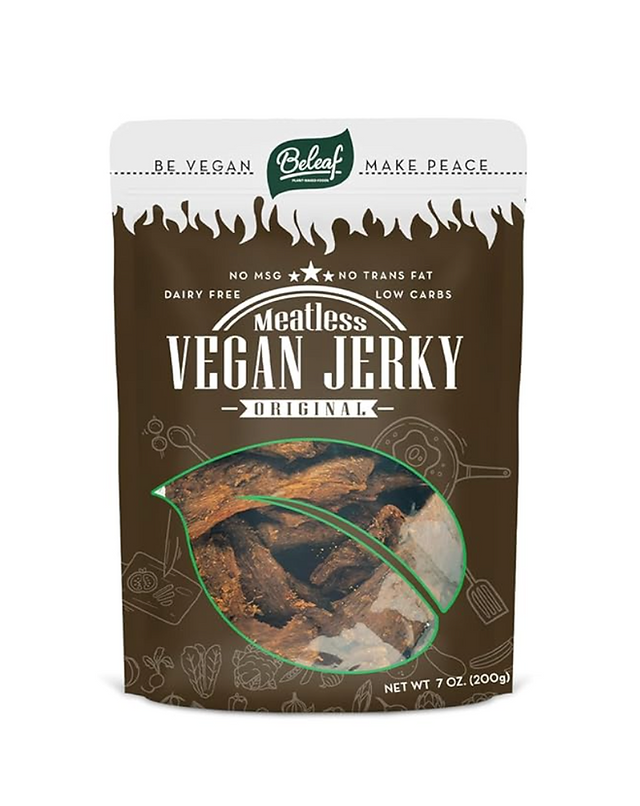
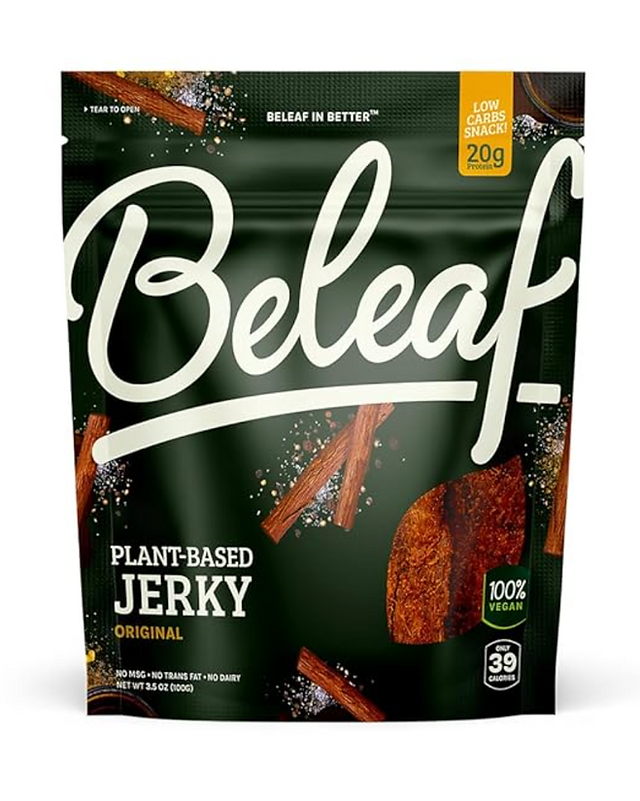

Alternatives to processed meats are no longer speculative or futuristic—they already exist on store shelves today. The real shift lies in choosing them deliberately, as part of a broader effort to reduce exposure to preventable dietary risks.
What large-scale studies continue to confirm
Subsequent research has strengthened the original IARC conclusions. A comprehensive meta-analysis published in The BMJ in 2019, analyzing data from nearly 3 million participants, found:
A 17% increased risk of colorectal cancer per 50 g/day of processed meat
A 22% higher colorectal cancer mortality rate among high consumers
The European Prospective Investigation into Cancer and Nutrition (EPIC) study, which followed 521,000 participants across 10 European countries for over 15 years, reported that individuals consuming more than 160 g/day of processed meat had a 44% higher risk of colorectal cancer compared to those consuming less than 20 g/day.
Meanwhile, mechanistic human trials show that even short-term dietary shifts matter. In controlled feeding studies, switching from a processed-meat-heavy diet to a low-processed-meat diet reduced:
Fecal N-nitroso compound levels by 49–60% within four weeks
Gut inflammatory markers by 30–35%
These findings reinforce that cancer risk is cumulative but modifiable—shaped by long-term dietary patterns rather than isolated meals.
From awareness to structural change
The classification of processed meat as a Group 1 carcinogen was not meant to provoke panic. It was meant to clarify risk using the strongest available evidence. Today, organizations such as the WHO recommend limiting processed meat intake as much as possible, particularly for children and adolescents, whose lifetime exposure window is longest.
What’s beginning to change is not just awareness, but infrastructure. Early-stage companies like Prime Roots demonstrate that reducing exposure to known dietary carcinogens doesn’t require abandoning familiar foods—it requires rethinking how those foods are made.
The science is clear, the numbers are consistent, and the mechanisms are well understood. The remaining question is how quickly innovation, policy, and everyday habits can align with what the data has already made undeniable.


Comments